Investing in a new filling line is a significant capital decision for any beverage manufacturer. Whether you are launching a new water brand or upgrading existing equipment, the first question is always: “How much does a filling machine cost?” As we look toward 2026, prices are influenced by automation levels, material costs, and technological advancements. While entry-level semi-automatic machines can be found for a few thousand dollars, a high-efficiency, fully automatic line represents a substantial investment.
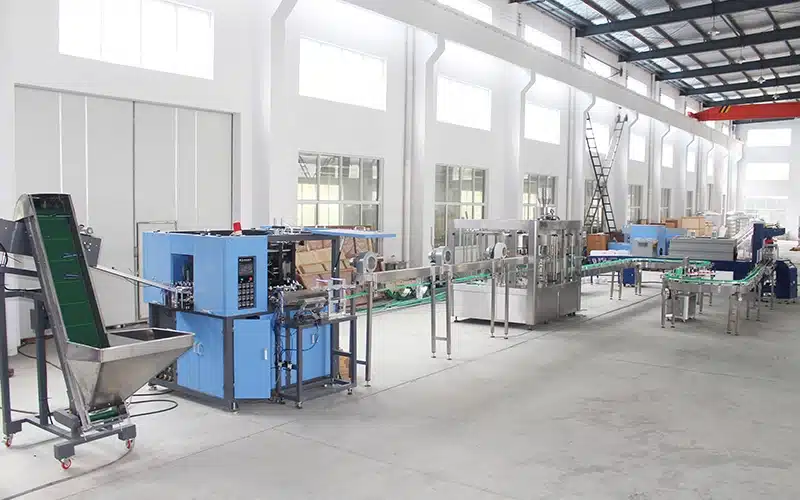
In this guide, we break down the automatic filling machine cost by analyzing a real-world example: a high-performance water bottling line designed for maximum return on investment. We will also explore how different configurations affect the final beverage filling machine price.
Key Factors Influencing Filling Machine Prices in 2026
Before diving into specific numbers, it is essential to understand what drives the cost of a modern filling line. The price is not just about the filling mechanism itself; it includes the entire ecosystem of production:
-
Automation Level: Fully automated turnkey solutions cost more upfront but save significantly on labor and errors over time.
-
Output Speed: Machines rated at thousands of bottles per hour command higher prices than slow-speed manual lines.
-
Material & Build: Stainless steel (304 or 316) construction for hygiene and durability adds to the cost.
-
Integration: A monoblock machine that rinses, fills, and caps in one unit reduces floor space and increases efficiency but is more complex.
-
Supporting Systems: Water treatment, bottle blowing, labeling, and packaging machinery often make up the bulk of the total investment.
For a deeper understanding of how automation impacts your bottom line, check out our guide on Why Automation Matters in Bottling (internal link suggestion).
Case Study: A Cost-Effective Fully Automatic Water Bottling Line
To give you the most accurate estimate for 2026, let us examine a popular “sweet spot” configuration. This setup is widely regarded as the most cost-effective solution for small to medium-scale enterprises (SMEs) looking to produce high-quality bottled water. It balances initial investment with production efficiency and flexibility.
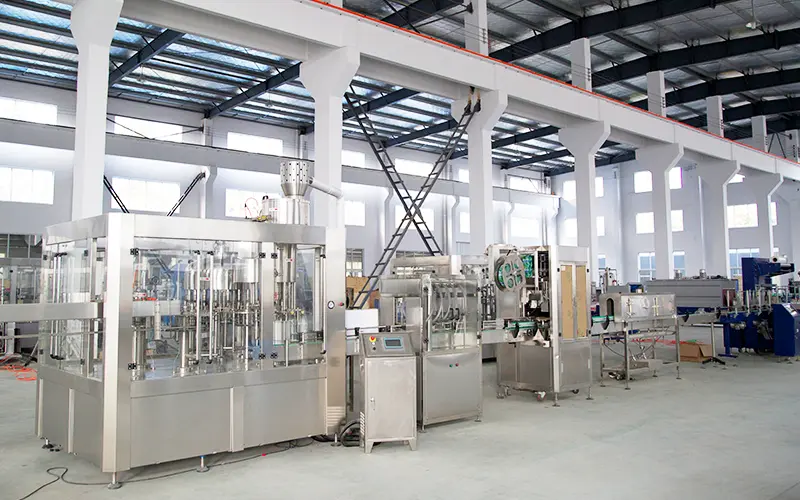
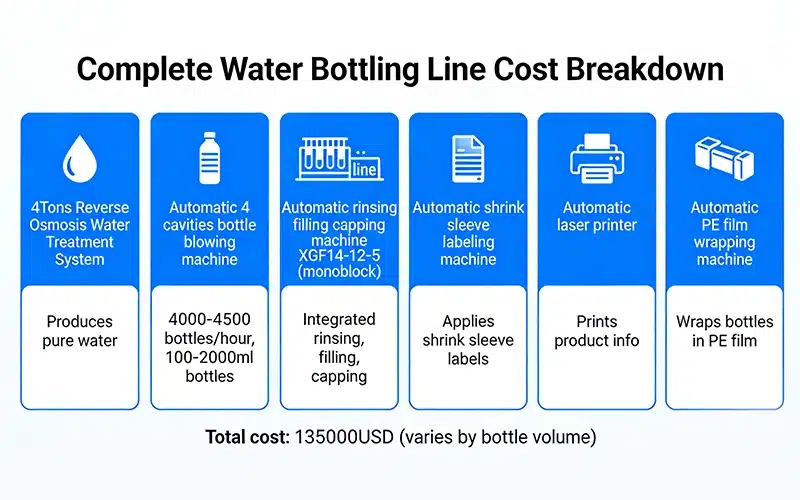
This fully automatic turnkey production line includes everything from raw water purification to pallet-ready finished products.
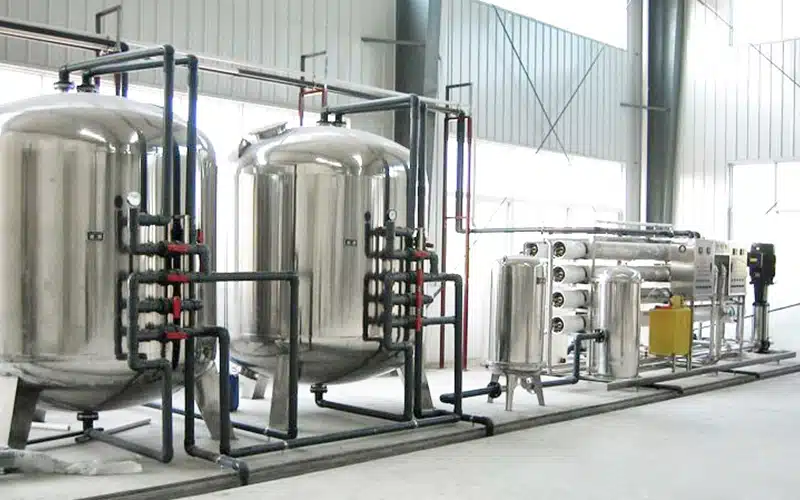
1. 4 Tons Per Hour Reverse Osmosis (RO) Water Treatment System
-
Function: Transforms raw water into pure, safe drinking water. This system removes impurities, dissolved salts, and contaminants.
-
Impact on Price: A reliable RO system is the foundation of product quality. This 4TPH unit ensures a consistent supply of treated water to match the filling speed.
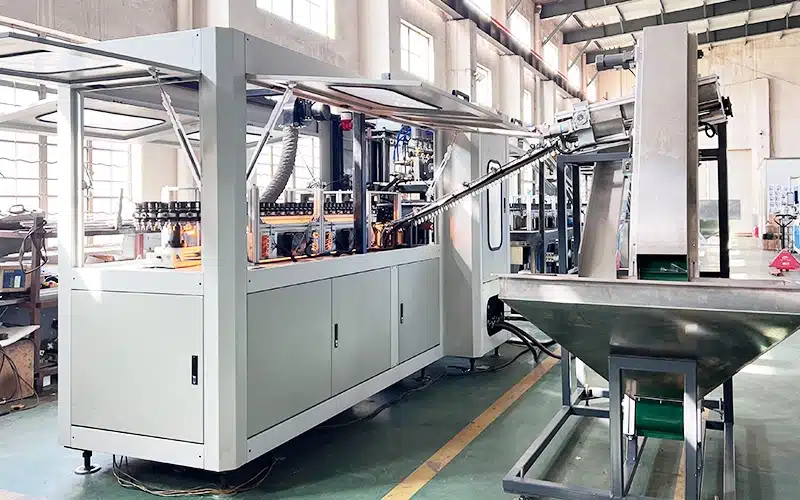
2. Automatic 4-Cavity Bottle Blowing Machine
-
Specs: Produces 4,000 to 4,500 bottles per hour.
-
Flexibility: Suitable for a wide range of bottle volumes, from 100ml to 2,000ml.
-
Impact on Price: This machine eliminates the need to purchase pre-made bottles, drastically reducing logistics and storage costs. The 4-cavity design offers high output without the complexity of larger rotary systems.
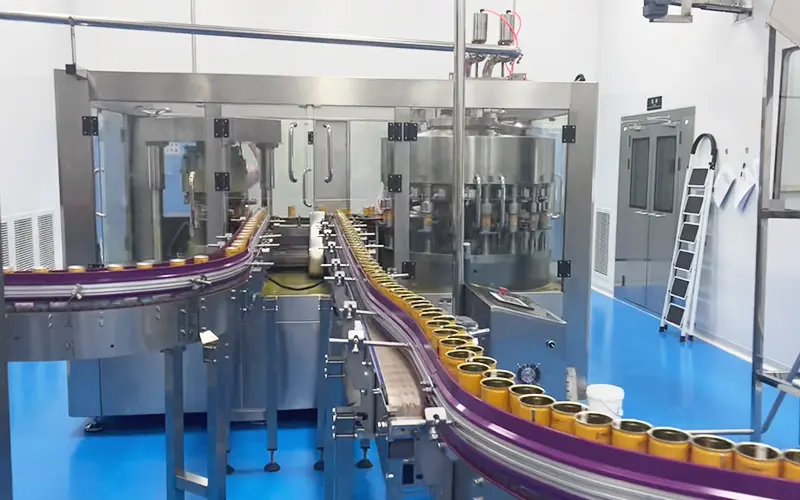
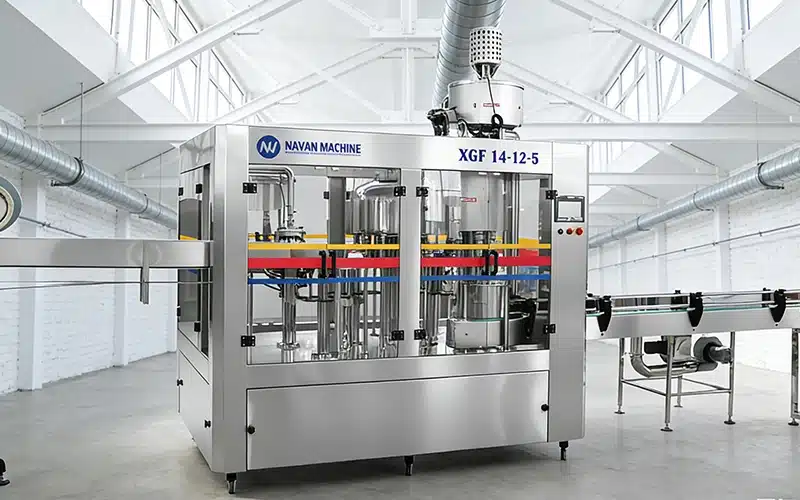
3. Automatic Rinsing, Filling, and Capping Monoblock (Model XGF14-12-5)
-
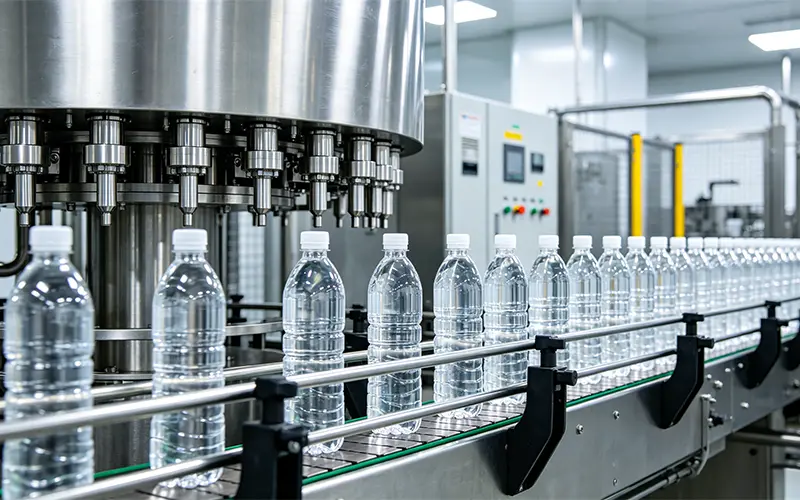
Function: This is the heart of the line. It integrates three processes into one compact unit. Bottles are rinsed, filled with precision, and capped immediately to prevent contamination.
-
Impact on Price: While a monoblock has a higher initial cost than separate machines, it saves valuable floor space, requires fewer operators, and ensures better hygiene.
Learn more about how a monoblock improves hygiene in our article The Importance of Aseptic Filling (internal link suggestion).
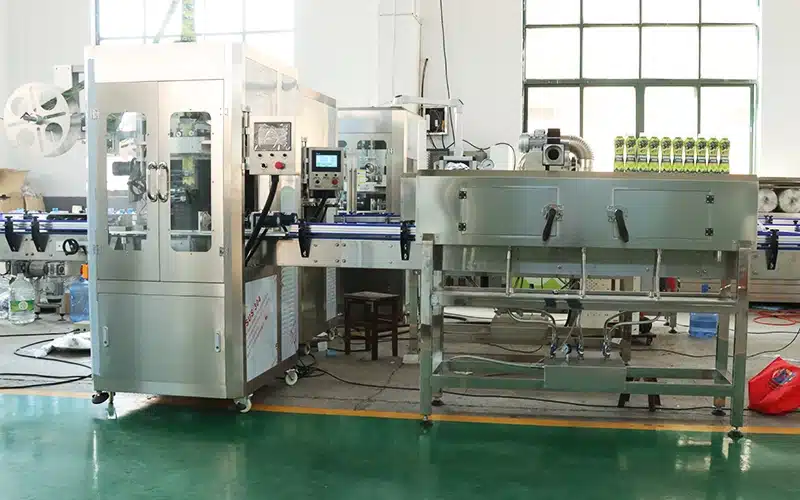
4. Automatic Shrink Sleeve Labeling Machine
-
Function: Applies full-body shrink sleeves to the bottles, providing 360-degree branding opportunities.
-
Impact on Price: Essential for brand recognition, this machine adds moderate cost but high value to the finished product.
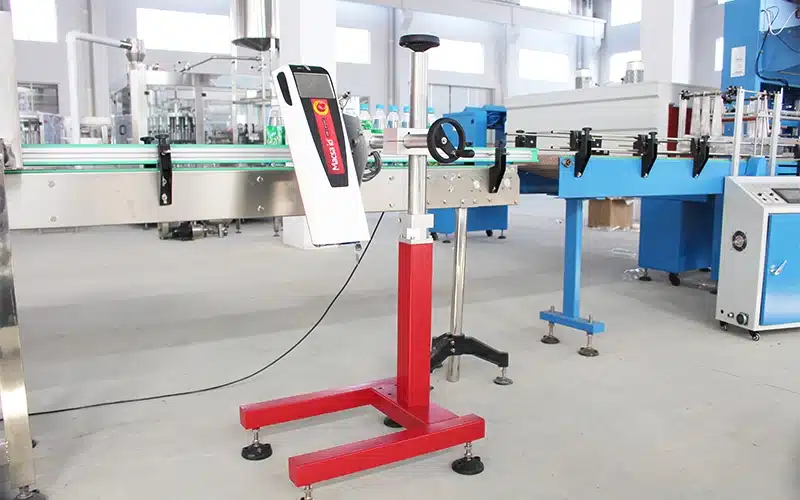
5. Automatic Laser Printer
-
Function: Codes batch numbers and expiration dates onto the bottles or caps with high precision and permanence.
-
Impact on Price: A necessary addition for compliance and traceability in the food and beverage industry.
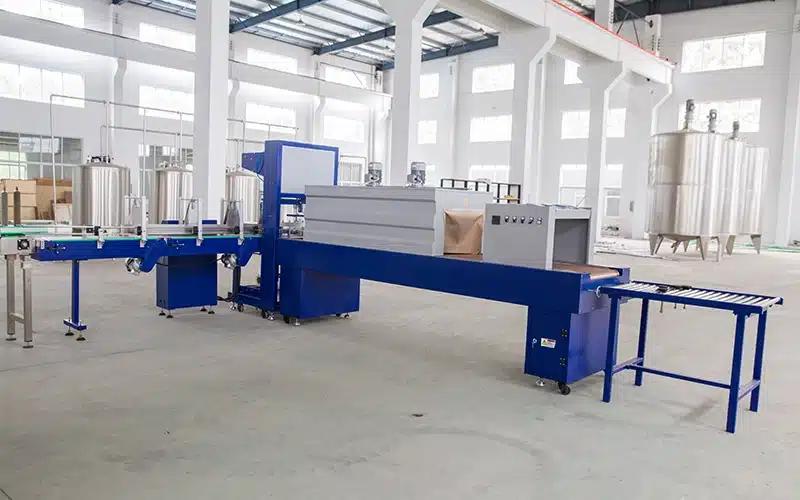
6. Automatic PE Film Wrapping Machine
-
Function: Gathers finished bottles (e.g., 6-packs, 12-packs) and wraps them in sturdy polyethylene film for transport.
-
Impact on Price: Automates the end-of-line process, reducing labor costs and protecting products for shipping.
The 2026 Price Range for This Configuration
So, how much does this specific filling machine setup cost?
For this complete, fully automatic water production line, the total investment ranges from approximately $135,000 USD.
This price serves as a baseline for 2026. The final automatic filling machine cost will vary based on your specific requirements. For example, if you plan to run multiple bottle volumes (e.g., 500ml and 1.5L), you may need additional change parts for the filler and blower. Producing still water is standard, but adding a carbonation unit for sparkling water would increase the beverage filling machine price.
For a detailed quotation tailored to your bottle sizes and local requirements, consider contacting a reputable supplier. Check our list of Trusted Filling Machine Manufacturers (external link suggestion – could link to industry directories or partners).
Exploring More Budget-Friendly Options
While the line described above represents the best value for a reliable, mid-volume output, we understand that budgets vary. If the $135,000 price point is above your current investment capacity, there are cheaper alternatives available. These might include:
-
Semi-automatic fillers: Lower speed, manual labor-intensive, but with a significantly lower entry price.
-
Used or refurbished equipment: A viable option, though warranty and support may be limited.
-
Smaller output lines: Machines producing 2,000 BPH or less will naturally cost less.
However, it is crucial to weigh the lower upfront cost against long-term efficiency, labor costs, and potential downtime. The highest cost-performance solution is often the fully automatic line that allows you to scale production without immediately reinvesting in new machinery.
You can explore our comparison of Semi-Automatic vs. Fully Automatic Fillers to decide which suits your business stage (internal link suggestion).
Conclusion: Planning Your Investment
Determining the exact filling machine price for 2026 requires a detailed discussion of your product, bottle specifications, and production goals. The $135,000 USD turnkey line offers an exceptional balance of automation, output, and quality, making it a top choice for entrepreneurs entering the bottled water market.
To get a precise quotation tailored to your needs—including the specific bottle volumes and local power requirements—it is always best to consult directly with a machinery supplier. They can provide a detailed breakdown and help you choose the configuration that offers the best return on your investment.
Frequently Asked Questions (FAQ)
1. What is the average price of a small automatic filling machine?
A small, semi-automatic filling machine might cost between $3,000 and $10,000. However, a fully automatic small-scale line (including water treatment and bottle blowing) will start in the range of $50,000 to $80,000.
2. Why does the beverage filling machine price vary so much?
The price varies primarily due to speed (bottles per hour), material quality, the number of filling heads, and the level of automation. A machine with servo-driven fillers and a stainless steel frame will cost more than a basic pneumatic model.
3. Is $135,000 a competitive price for a water bottling line in 2026?
Yes, for a fully automatic turnkey line that includes water treatment, bottle blowing, filling, labeling, and packaging, $135,000 is a highly competitive and cost-effective price point. It offers a strong balance between affordability and production capability.
4. Does the filling machine cost include installation and training?
This depends on the supplier. It is essential to confirm whether the quoted price includes shipping, customs clearance, installation, and operator training. Many reputable suppliers include these services to ensure a smooth startup. Read our guide on What to Look for in a Filling Machine Supplier to help you choose (internal link suggestion).