Introduction
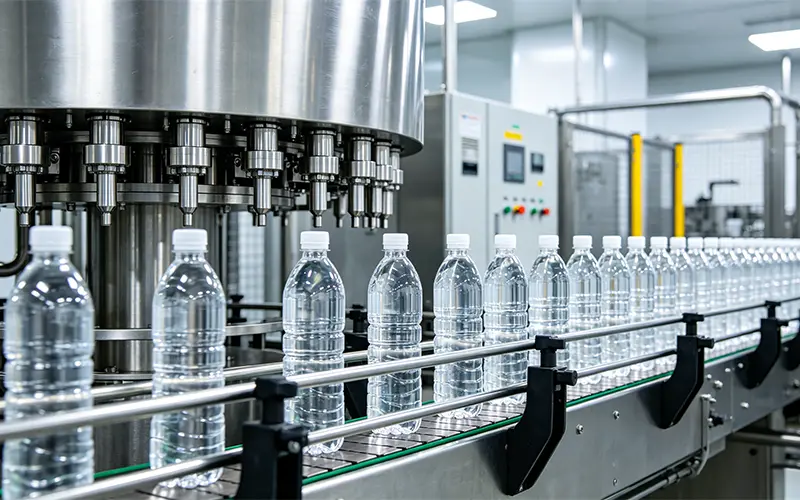
Driven by growing health awareness and rising demand for safe drinking water, the bottled water market continues to expand globally, especially in emerging regions such as Africa, Southeast Asia, and the Middle East. For investors planning to build a new water plant or upgrade an existing facility, selecting a high-performance water filling line is one of the most critical decisions.
A reliable water filling line directly impacts production efficiency, operating costs, product hygiene, and regulatory compliance. Within the beverage industry, water bottling requires particularly strict standards for sanitation, stability, and automation.
Planning to Invest in a Water Plant?
Yes — investing in a water plant can be a profitable opportunity, but success depends on choosing the right water filling line, understanding your raw water quality, and planning production capacity carefully. With proper equipment selection and reliable technical support, a water bottling project can achieve stable output, consistent quality, and long-term returns.
This article explains the core equipment of a filling line, key selection considerations, the information customers should prepare before purchasing, and provides a detailed 6,000 BPH water filling line configuration tailored for the Kenya market.
Core Equipment of a Water Filling Line
A complete water filling line consists of several interconnected systems that work together to ensure stable, hygienic, and efficient production.
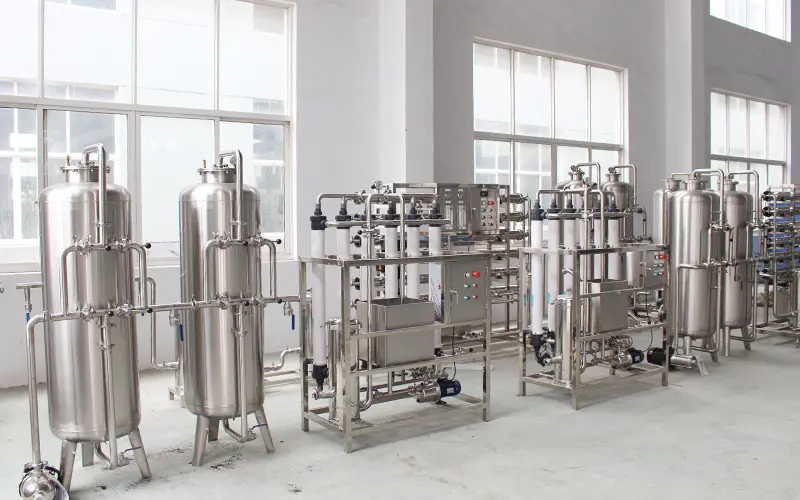
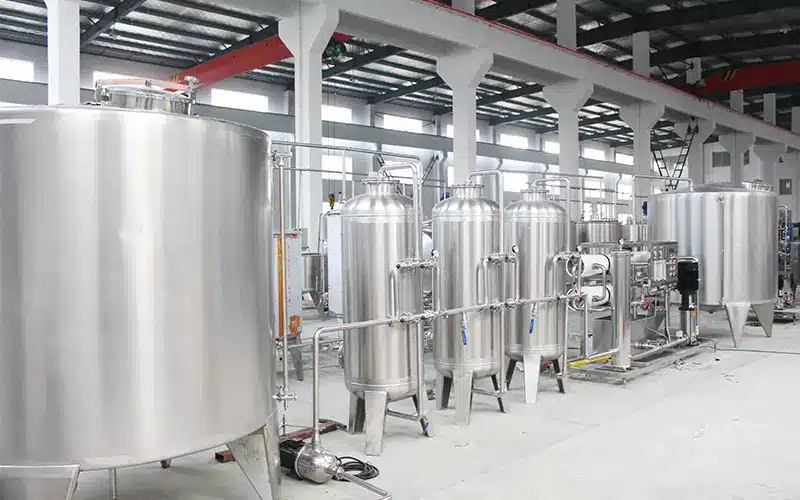
Water Treatment System
The water treatment system is the foundation of any filling line. It removes impurities, odors, bacteria, and dissolved solids to ensure the final product meets drinking water standards.
Typical configurations include:
- Quartz sand filter (removes suspended solids)
- Activated carbon filter (removes chlorine and odor)
- RO reverse osmosis or ultrafiltration system
Bottle Blowing Machine
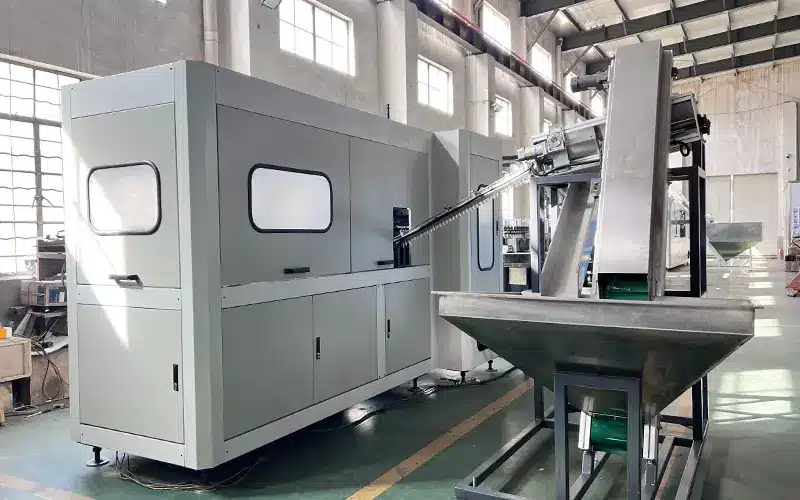
The bottle blowing machine converts PET preforms into finished bottles, helping water plants significantly reduce packaging costs.
- Available in semi-automatic or fully automatic models
- Output capacity depends on cavity number (2, 4, 6 cavities, etc.)
Bottle Unscrambler
The bottle unscrambler automatically arranges empty bottles and feeds them smoothly into the filling section, minimizing manual labor.
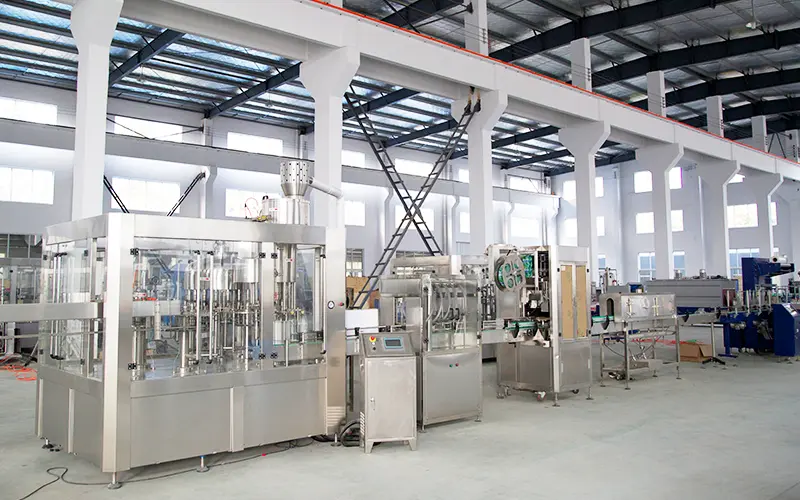
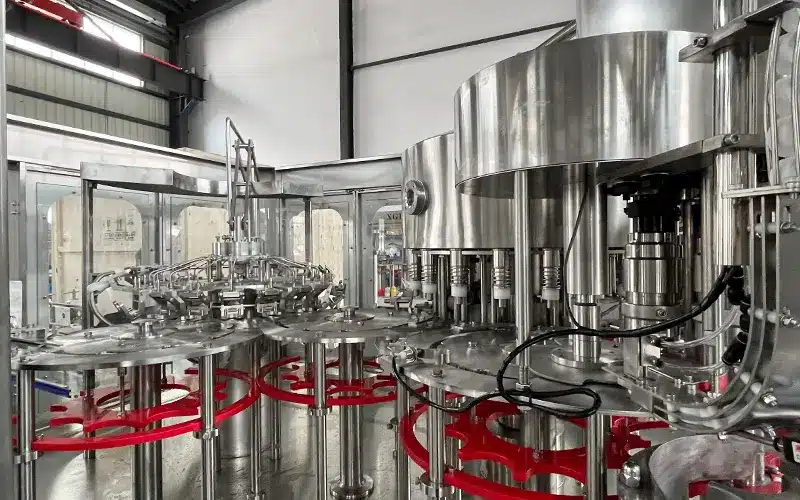
3-in-1 Filling Machine
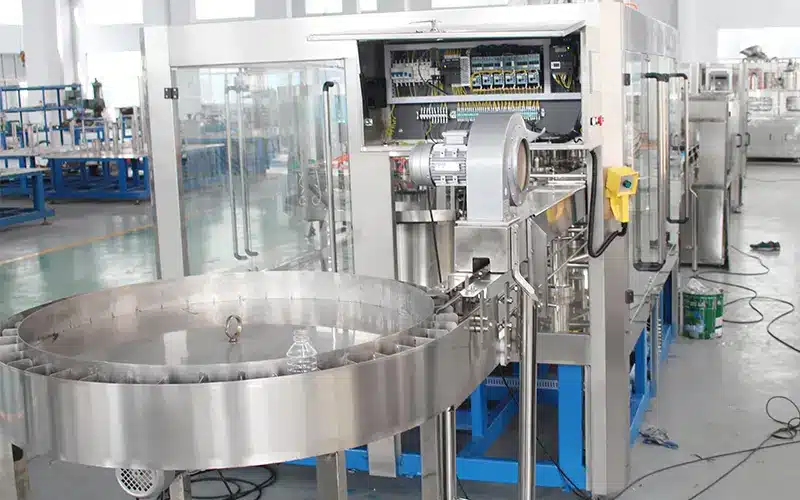
The 3-in-1 monoblock filling machine is the core of the water filling line, integrating:
- Bottle rinsing
- Water filling
- Cap capping
This compact design improves efficiency and hygiene control.
Packaging Equipment
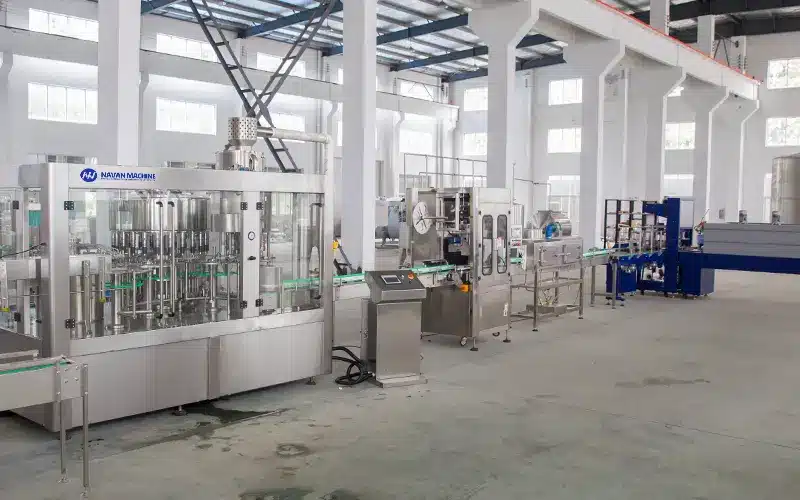
After filling and capping, bottled water passes through downstream packaging equipment to complete the filling line:
- Visual inspection (lamp inspection)
- Labeling machine (sleeve or sticker)
- Coding machine (date & batch printing)
- Shrink wrapping or cartoning machine
- Palletizer
Selection Tips for Key Equipment
Filling Machine Selection
When choosing a filling machine, focus on:
- High filling valve accuracy and stable liquid level
- Anti-drip filling valve design
- Food-grade materials such as SUS 304 or SUS 316 stainless steel
Water Treatment Configuration
Water treatment must be customized based on the raw water source, not a fixed standard setup:
- Borehole water, municipal water, and lake water differ significantly
- TDS, hardness, and fluoride levels directly affect system cost and maintenance
Automation Level
- Start-up projects: semi-automatic filling line may be sufficient
- Medium and large plants: fully automatic water filling line reduces long-term labor costs
Compatibility and Flexibility
- Support for multiple bottle sizes (500 ml, 1 L, 1.5 L)
- Easy mold changeover
- Future capacity expansion capability
What Information Should Customers Prepare Before Purchasing?
To receive an accurate filling line solution and quotation, customers should prepare the following details in advance:
- Bottle samples or drawings (capacity, height, diameter)
- Cap specifications (standard cap, sports cap, etc.)
- Label type (shrink sleeve, OPP, self-adhesive)
- Factory layout drawing (length, width, height, water & power points)
- Target production capacity (e.g. 3,000–24,000 BPH)
- Raw water analysis report (critical for water treatment design)
Kenya Market Focus: 6,000 BPH Water Filling Line Configuration
In Kenya, 6,000 BPH (based on 500 ml bottles) is a common and practical starting capacity for medium-scale water plants. It offers a good balance between investment cost, factory space, and profitability.
Water Treatment System: Solving Borehole Water Challenges
Many Kenyan water plants rely on borehole water, which typically has:
- High hardness (calcium & magnesium)
- Possible excessive fluoride content
Recommended configuration:
- Double-stage RO system
- Precision filters
- Cation exchange resin softening system to prevent valve scaling
Disinfection recommendation:
- Ozone + UV dual sterilization
- Durable ozone generators suitable for local conditions
Bottle Blowing System: Fully Automatic 4-Cavity Machine
For a 6,000 BPH filling line:
- Fully automatic 4-cavity linear bottle blowing machine
- Servo drive system to handle voltage fluctuations
- High-pressure air compressor (~3.0 MPa)
- Skid-mounted system with air dryer to handle humid climates
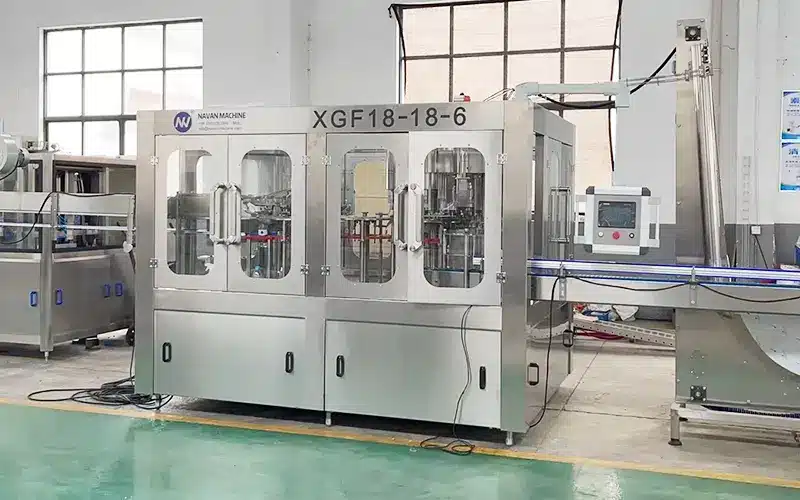
3-in-1 Filling Machine: XGF 18-18-6 Core Unit
To achieve stable 6,000 BPH output, the rated capacity should be 7,000–8,000 BPH.
Recommended model: XGF 18-18-6
- 18 rinsing heads, 18 filling valves, 6 capping heads
- Gravity filling method (simple, reliable, low failure rate)
- HEPA laminar flow cover or full enclosure to maintain positive pressure
- Electrical components: Siemens or Schneider (easy spare parts access in Nairobi)
Downstream Packaging: Cost-Effective Solutions
In Kenya, PE shrink wrapping is the most popular packaging method due to lower cost compared to cartons.
- Sleeve labeling machine: linear rotary type (500 ml–1.5 L compatible)
- Shrink wrapping machine: L-type pusher or inline type (3×4 or 4×6 packs)
- Coding machine: continuous inkjet printer with fast-dry, moisture-resistant ink
| Equipment Name | Model / Specifications | Installed Power (kW) | Air Consumption (m³/min) | Water Consumption (T/h) | Remarks |
|---|---|---|---|---|---|
| Water Treatment System | 10T/H Double-Stage RO | 12 | – | 12.0 – 15.0 | Finished water output: 6-8 T/H |
| Automatic Blowing Machine | 4-Cavity Linear Type | 55 | 2.0 (3.0MPa) | 0.5 (Circulating) | Main power used for heating lamps |
| High-Pressure Compressor | 2.0m³/min 3.0MPa | 22 | (Air Source) | – | Integrated with air dryer & tanks |
| 3-in-1 Filling Monoblock | XGF 18-18-6 | 4 | 0.3 (0.6MPa) | 1.5 – 2.0 | Rinsing, Filling, and Capping |
| Sleeve Labeling Machine | Single-head Rotary Type | 2 | 0.1 | – | Incl. Steam or Electric Shrink Tunnel |
| Inkjet Printer (CIJ) | Small Character Printer | 0.5 | 0.1 | – | Requires dry & oil-free air |
| Shrink Wrapping Machine | L-type Bottle Pusher | 18 | 0.5 (0.6MPa) | – | Peak power in the shrink tunnel |
| Conveyor System | Air & Bottle Conveyors | 4 | – | – | Custom length based on layout |
| Total (Estimated) | Complete Line | Approx. 118 kW | Approx. 3.0 m³/min | Approx. 15 T/h | Transformer > 150kVA recommended |
Special Notes for Kenya Customers
In addition to standard requirements, Kenya customers should prepare:
- Water test report focusing on TDS and fluoride levels
- Power supply details: typically 415V, 50Hz, plus AVR stabilizer or generator
- Factory floor treatment: epoxy flooring and covered drainage channels (required for KEBS certification)
Conclusion: Choosing the Right Supplier Matters More Than the Equipment Itself
Investing in a water filling line is not just about purchasing machines—it is about selecting a long-term technical partner. Reliable after-sales service, fast spare-parts supply, and local market experience are essential for sustainable operation.
If you are planning or upgrading a filling line or water filling line, feel free to contact us for a customized solution tailored to your water source and target market.