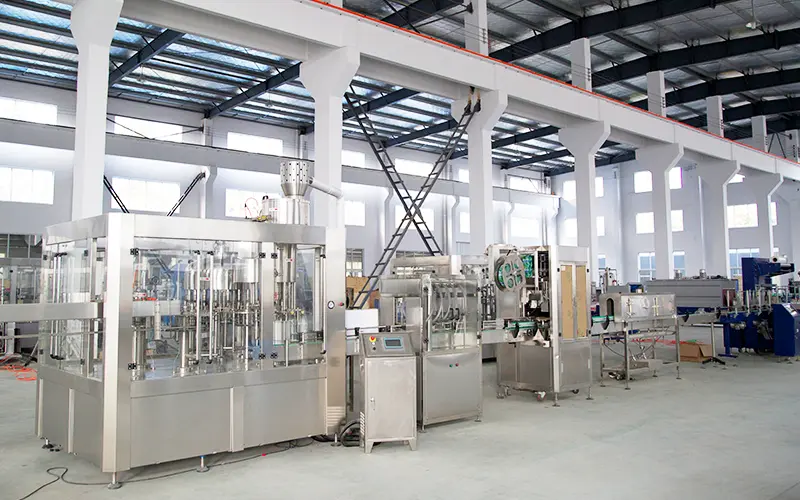
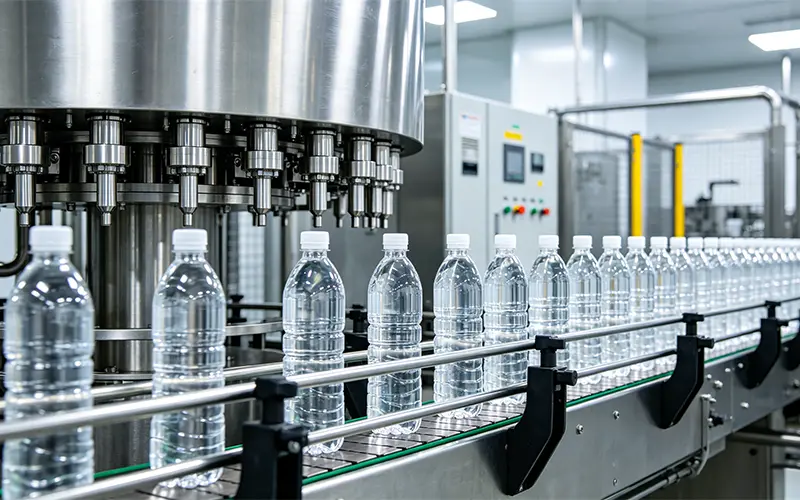
Automated filling machines are essential equipment for industries such as beverages, food processing, pharmaceuticals, and cosmetics. They ensure precise filling, improve production efficiency, and maintain product consistency.
Choosing the right filling machine supplier can significantly impact your production efficiency and long-term operating costs. A professional supplier not only provides reliable equipment but also offers customized solutions and long-term technical support.
This guide explains how filling machines work, the key technologies behind them, and how to select the best supplier for your production line.
What Is a Filling Machine Supplier?
A filling machine supplier is a manufacturer or engineering company that designs, produces, and supplies filling equipment for industrial production lines.
Most professional suppliers provide complete packaging solutions rather than standalone machines.
Typical services include:
- Filling machine design and manufacturing
- Complete production line integration
- Installation and commissioning
- Technical training
- After-sales maintenance and spare parts
For manufacturers building a new production facility, choosing a reliable supplier ensures the entire line operates smoothly.
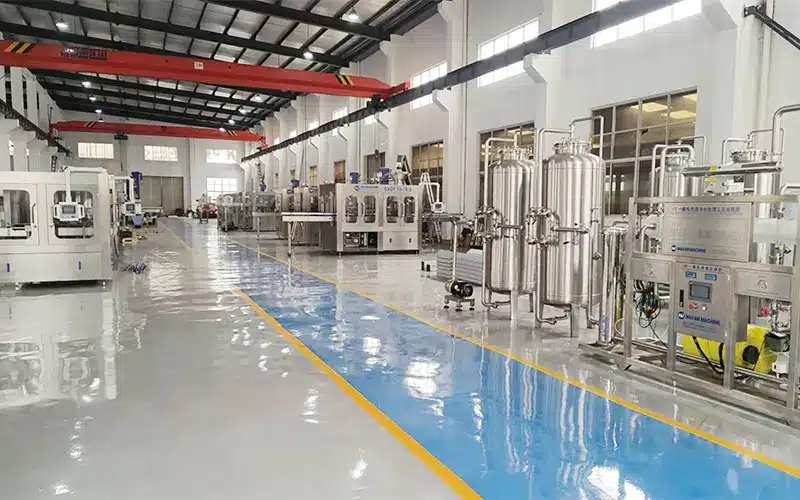
Types of Filling Machines Offered by Suppliers
Different industries require different filling technologies.
Liquid Filling Machines
These machines are commonly used for:
- bottled water
- juice
- sauces
- chemicals
- pharmaceutical liquids
They often use flow meter, gravity, or piston filling systems.
Carbonated Beverage Filling Machines
Carbonated drinks such as soda and sparkling water require specialized filling technology that prevents gas loss during the filling process.
High-speed rotary filling machines are typically used in beverage factories.
Oil Filling Machines
Edible oils require highly accurate volumetric filling systems to ensure consistent product weight.
These machines are widely used in:
- cooking oil production
- lubricant filling
- industrial oil packaging
Powder Filling Machines
Powder filling equipment is designed for materials such as:
- milk powder
- spices
- protein powder
- pharmaceutical powders
Auger filling systems are commonly used for accurate dosing.
Key Technologies Used in Modern Filling Machines
Modern filling machines integrate multiple advanced technologies to ensure precision and automation.
High-Precision Sensor Systems
Sensors monitor critical production parameters such as liquid level, flow rate, and bottle position.
Common sensor technologies include:
- liquid level sensors
- electromagnetic flow meters
- photoelectric bottle detection sensors
These systems ensure that each container receives the correct amount of product.
PLC Control Systems
Most industrial filling machines are controlled by PLC automation systems.
These controllers allow operators to:
- control filling speed
- adjust filling volume
- synchronize conveyor movement
- monitor machine performance
PLC systems greatly improve production reliability.
Human-Machine Interface (HMI)
Modern filling machines include touchscreen control panels.
Operators can easily:
- adjust parameters
- monitor machine status
- detect faults
- control production speed
This simplifies machine operation and reduces operator training time.
Common Problems with Low-Quality Filling Machines
Not all equipment suppliers provide the same quality standards.
Working with an unreliable filling machine supplier may result in several problems.
Low Automation Levels
Some low-cost machines require frequent manual intervention during operation.
This increases labor costs and reduces productivity.
Inaccurate Filling Volume
Low-precision sensors and poor machine calibration can cause inconsistent filling volumes.
This leads to:
- product waste
- quality complaints
- regulatory issues
Frequent Machine Failures
Poor mechanical design may result in problems such as:
- leaking filling valves
- nozzle clogging
- conveyor instability
These issues cause costly production downtime.
How Professional Filling Machine Suppliers Improve Equipment Performance
Leading equipment manufacturers continuously improve machine performance through engineering innovation.
Smart Manufacturing Integration
Modern machines can integrate with factory management systems through IoT technology.
This allows:
- remote machine monitoring
- predictive maintenance
- production data analysis
Optimized Machine Structure
Advanced suppliers design filling machines with improved mechanical structures such as:
- anti-drip filling valves
- high-precision metering systems
- stable bottle positioning systems
These improvements increase machine reliability.
Energy-Efficient Design
Energy consumption is a major cost factor in large production facilities.
Modern machines may include:
- high-efficiency motors
- optimized transmission systems
- low-power sensors and controllers
This reduces electricity consumption while maintaining high performance.
Flexible Production Systems
Modern production lines often need to handle different bottle sizes and product types.
Advanced filling machines use modular design, allowing fast changeovers between production formats.
This improves manufacturing flexibility.
How to Choose the Best Filling Machine Supplier
Selecting the right supplier requires evaluating several important factors.
Manufacturing Experience
Look for suppliers with extensive experience in designing and exporting filling machines.
Important indicators include:
- years in the industry
- global project experience
- customer references
Customization Capability
A professional supplier should be able to design machines based on:
- product viscosity
- bottle size and shape
- production capacity
Customized equipment ensures optimal production performance.
Certifications and Quality Standards
Reliable suppliers follow international manufacturing standards such as:
- ISO quality management certification
- CE certification
These certifications indicate compliance with global safety and quality requirements.
After-Sales Service
Technical support is essential for long-term equipment operation.
Good suppliers offer:
- installation assistance
- operator training
- spare parts supply
- remote troubleshooting
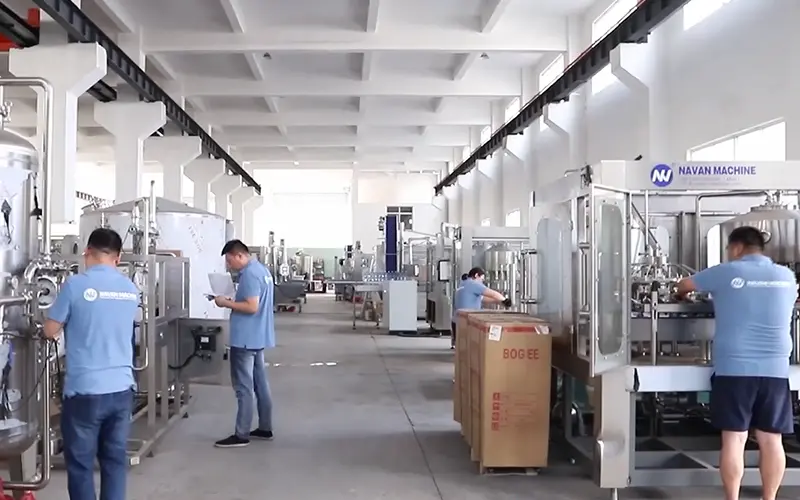
Why Many Companies Choose Chinese Filling Machine Suppliers
Chinese filling machine manufacturers have become major players in the global packaging equipment market.
Key advantages include:
Competitive Equipment Pricing
Manufacturers benefit from strong supply chains and efficient production processes.
Advanced Manufacturing Technology
Many suppliers have invested heavily in automation, CNC machining, and modern engineering.
Global Export Experience
Leading Chinese companies export equipment worldwide and understand international standards.
Future Trends in Filling Machine Technology
The filling equipment industry continues to evolve with new technologies.
Key trends include:
- smart factory integration
- AI-based production optimization
- energy-efficient machine design
- fully automated production lines
These innovations will further improve productivity and reduce manufacturing costs.
Conclusion
Selecting the right filling machine supplier is a crucial decision for manufacturers planning to build or upgrade a production line.
A reliable supplier provides:
- high-quality equipment
- customized production solutions
- long-term technical support
As automation technology continues to advance, modern filling machines will become smarter, more efficient, and more flexible.
FAQ
What does a filling machine supplier provide?
A filling machine supplier provides industrial filling equipment, production line integration, installation services, and technical support for manufacturing companies.
How much does a filling machine cost?
The price of a filling machine depends on several factors including automation level, filling technology, and production capacity. Industrial filling lines can range from several thousand dollars to hundreds of thousands of dollars.
What industries use filling machines?
Filling machines are widely used in beverage production, food processing, pharmaceuticals, cosmetics, and chemical manufacturing.